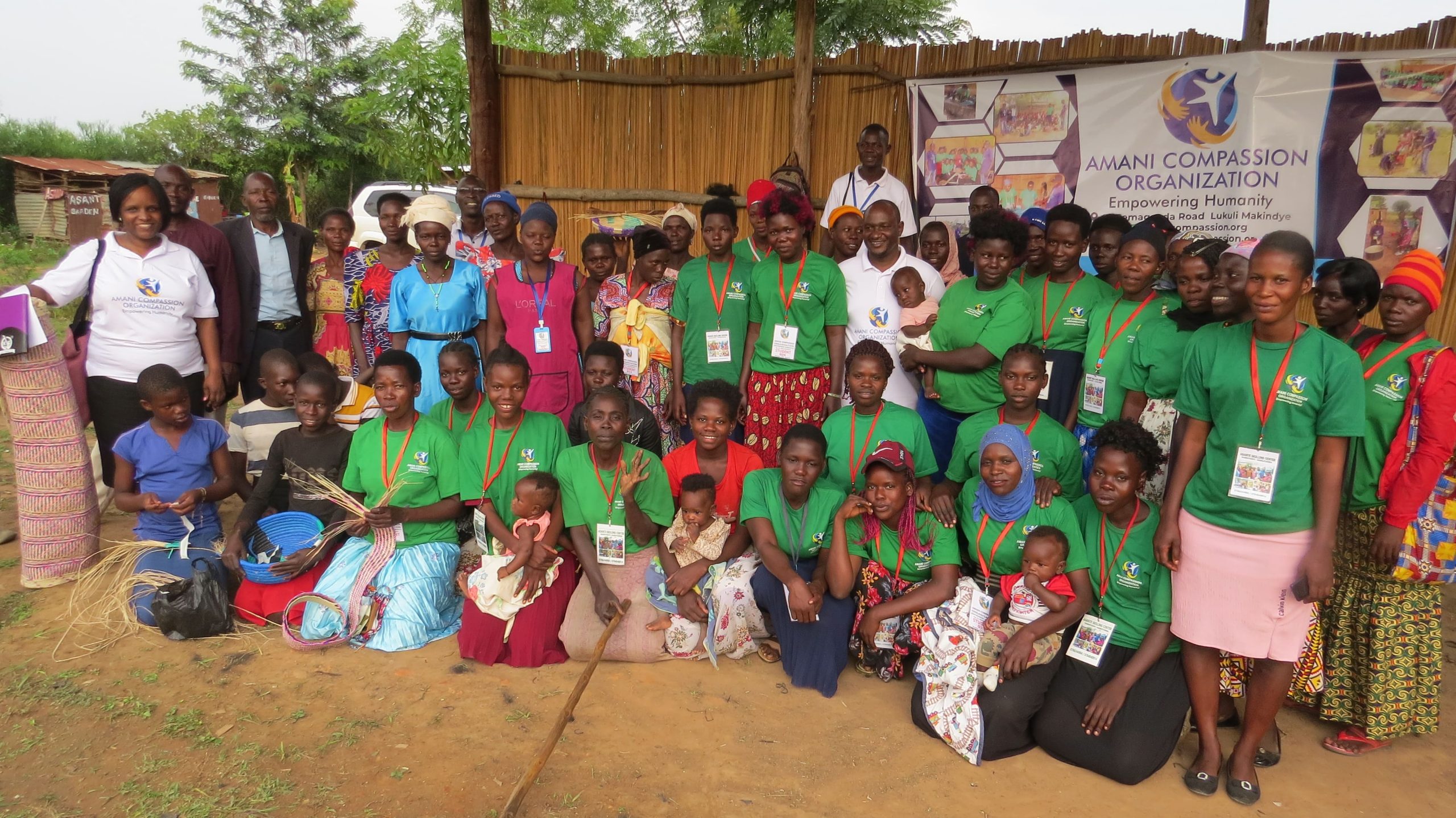

In Namutumba District, a woman named Grace used to depend entirely on seasonal farming to feed her five children. When the rains failed, so did her income. Today, she runs a small tailoring business from her home, earns a consistent monthly income, and recently paid her children’s school fees without asking anyone for help.
Her story is not unique. It is the story we are writing, one woman at a time.
Why Women’s Economic Empowerment Cannot Wait
Across Uganda, women make up a significant portion of the agricultural workforce yet own a fraction of the land and access even less in formal financial services. In rural districts like Namutumba, the barriers compound: limited transport, early marriage, domestic responsibilities, and a near-complete absence of structured skills training opportunities.
The result is a cycle that is hard to break alone. Women who lack marketable skills cannot generate consistent income. Without income, they cannot invest in their children’s education, healthcare, or nutrition. And without those foundations, the next generation starts the same cycle over again.
This is the gap our Women’s Economic Empowerment Program is built to close.
What the Program Actually Does
Our approach is practical, not theoretical. We focus on skills that translate directly into income — tailoring, hairdressing, entrepreneurship, and financial literacy — because the women we work with cannot afford to wait years for results.
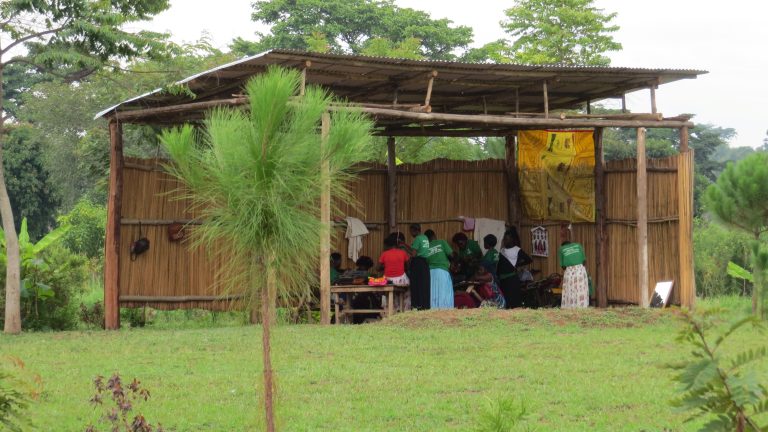
Vocational Training in Tailoring and Hairdressing Participants learn hands-on trade skills under structured training. Tailoring covers garment construction, measurements, machine operation, and finishing techniques. Hairdressing covers styling, braiding, treatment, and client service. Both trades have consistent local demand, which means graduates can start earning relatively quickly.
Entrepreneurship and Business Skills Learning a skill is only part of the picture. Understanding how to price your services, manage money, attract clients, and grow a small business is what turns a skill into a livelihood. We integrate basic business training so that participants are not just skilled workers — they are capable business owners.
Financial Literacy Knowing how to earn is important. Knowing how to save, budget, and plan is what builds stability. Financial literacy sessions help participants open savings accounts, manage household budgets, and set small financial goals that compound over time.
What Changes for Women in the Program
The outcomes we observe go well beyond income. Women who complete the program report greater confidence in their ability to make decisions — financial and otherwise. They speak up more in household conversations. They invest in their children’s schooling. Some form small savings groups with other graduates, pooling resources to support each other’s businesses.
Economic empowerment, it turns out, does not stay confined to the wallet. When a woman earns her own income, the whole household feels it.
The Bigger Picture: Communities Grow When Women Lead
There is strong evidence globally that investing in women produces broader community outcomes than almost any other development intervention. When women control household income, a higher proportion goes toward food, health, and education. The ripple effects reach children, husbands, extended families, and neighbors.
In Namutumba District, we are seeing exactly that. Women who completed our program are now training their neighbors informally. They are starting cooperatives. They are becoming local role models — proof that change is possible without waiting for it to arrive from outside.
Join Us in Expanding This Work
The Women’s Economic Empowerment Program is growing. We are expanding our training cohorts, improving our facilities, and building mentorship networks that connect graduates with successful local businesswomen.
If you are an organization, donor, or individual who shares our belief in women’s potential, we would welcome your support and partnership. Every woman trained is a family stabilized and a community strengthened.
Visit us at amanicompassion.org or reach us at info@amanicompassion.org to learn more.