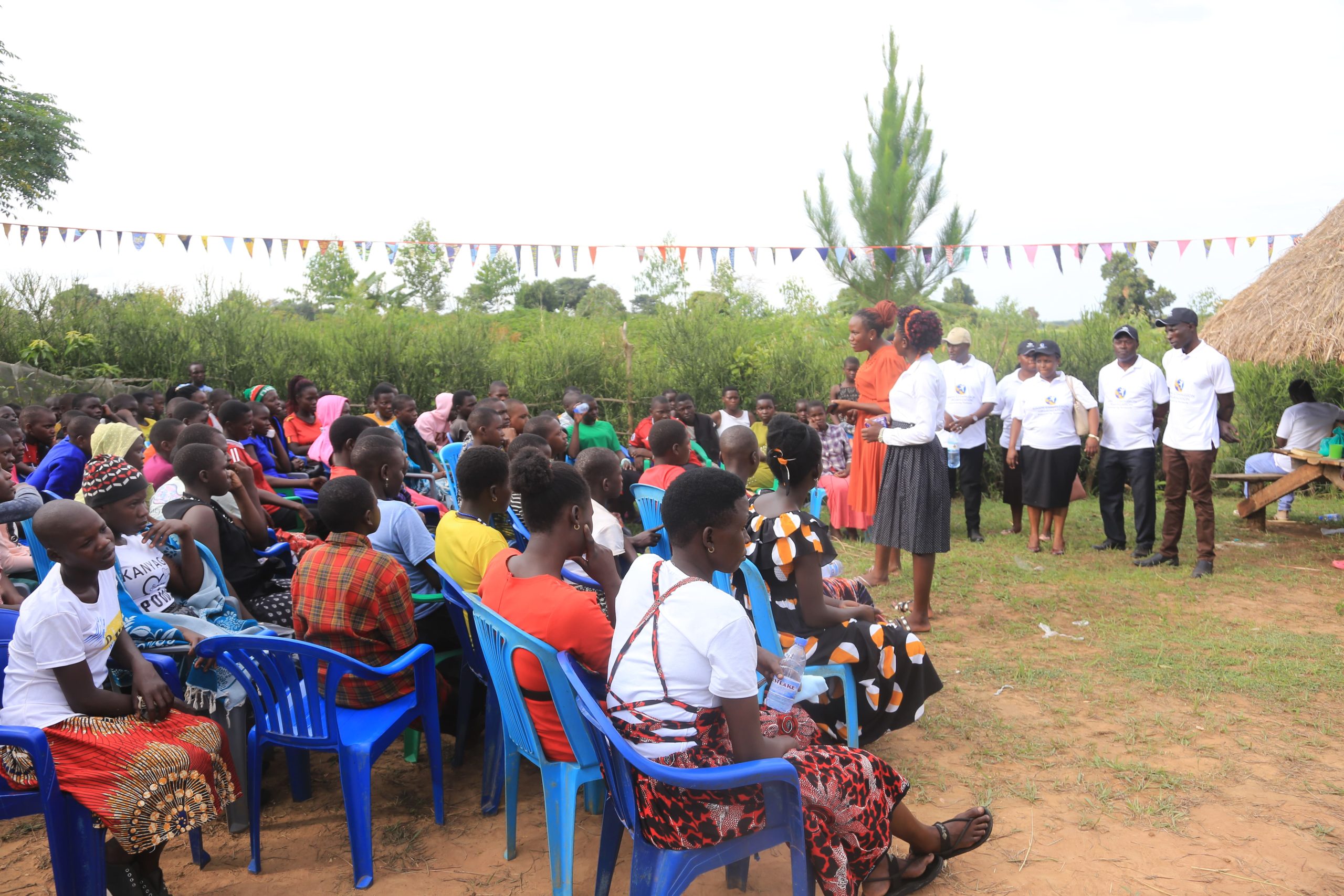

Development programs often speak the language of systems, frameworks, and outcomes. That language matters — accountability matters, evidence matters, results matter. But before any of that, development starts with something simpler: someone showing up.
Our Community Outreach and Compassion Program is grounded in that belief. It is the part of our work that is least easily quantified and most immediately human — being present with communities, listening carefully, responding to what we find, and building the kind of trust that makes every other program we run more effective.
Why Presence Matters
Organizations that design programs from offices, make annual field visits, and measure inputs and outputs are not wrong to work that way. Measurement and accountability matter. But they can miss something essential: the texture of community life, the needs that do not fit neatly into program categories, and the trust that is only built through consistent, unhurried presence.
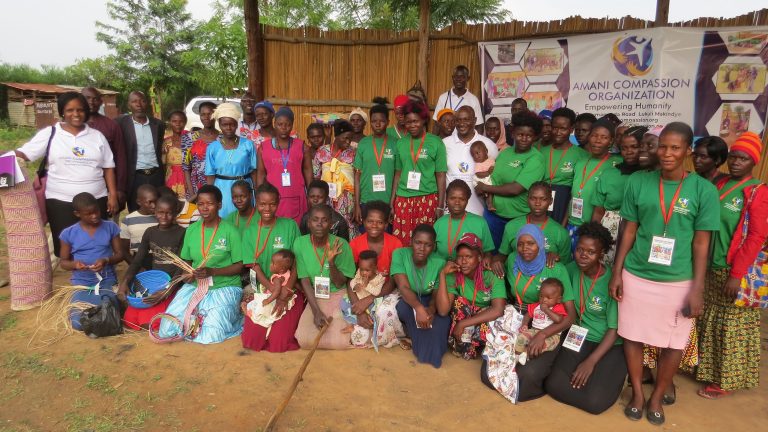
Our outreach team members are embedded in the communities they serve. They are not visitors arriving with a schedule and leaving at 5pm. They are neighbors — people who attend the same community meetings, know the local leaders by name, and notice when a family that was doing well last month seems to be struggling today.
That presence is what makes our outreach work. And it is what makes everything else we do work better.
What Community Outreach Actually Involves
Household Visits and Needs Assessment Our outreach teams conduct regular household visits, particularly in the most vulnerable parts of the communities we serve. These visits are not interrogations or compliance checks — they are conversations. We listen to what families are experiencing, what they need, and what they feel would help most. This listening shapes our programs in real time.
Connecting Families to Services Many households in our communities are entitled to services — health care, social protection, education support — that they do not access because they do not know about them, do not understand how to navigate the systems, or lack the confidence to try. Our outreach team bridges that gap, connecting families with services and accompanying them through processes that would otherwise feel inaccessible.
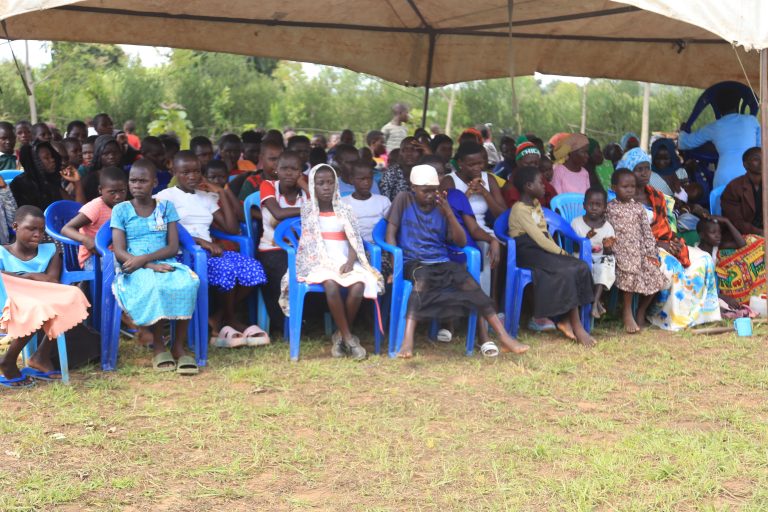
Community Dialogue and Participation We facilitate regular community dialogue sessions where people can raise issues, share observations, and engage with topics that affect their lives. These are spaces for community voice — not platforms for us to deliver information one-way, but genuine exchanges where community members drive the conversation.
Social Inclusion Some of the most vulnerable community members are also the most invisible — people with disabilities, elderly individuals without family support, households dealing with stigma related to illness or poverty. Our outreach prioritizes reaching those who are least likely to attend a program or identify themselves as needing help.
Volunteerism and Community Participation We recruit, train, and support community volunteers who extend our reach and embed community responsibility for development more deeply. Volunteers who go through our program often become long-term community advocates — people who see development not as something done to their community, but as something they are actively building.
The Relationship Is the Program
Every other program we run — women’s empowerment, child welfare, health, nutrition, livelihoods — depends on community trust. If community members do not trust us, they do not show up to training. They do not share the real problems. They do not refer their neighbors.
The outreach program is how that trust is built and maintained. It is the connective tissue of everything else.
When we show up consistently, listen genuinely, respond practically, and hold what people share with us carefully — that is what compassion looks like in practice. Not a concept. A presence.
An Invitation
If you want to understand what Amani Compassion Organization actually is, come see the outreach program. See what it means to be truly embedded in a community, to be known and to know, to earn trust over time and honor it through practical action.
We believe this is what development looks like at its most human. And we believe the communities we serve deserve nothing less.
To learn more or get involved, visit amanicompassion.org or email info@amanicompassion.org.