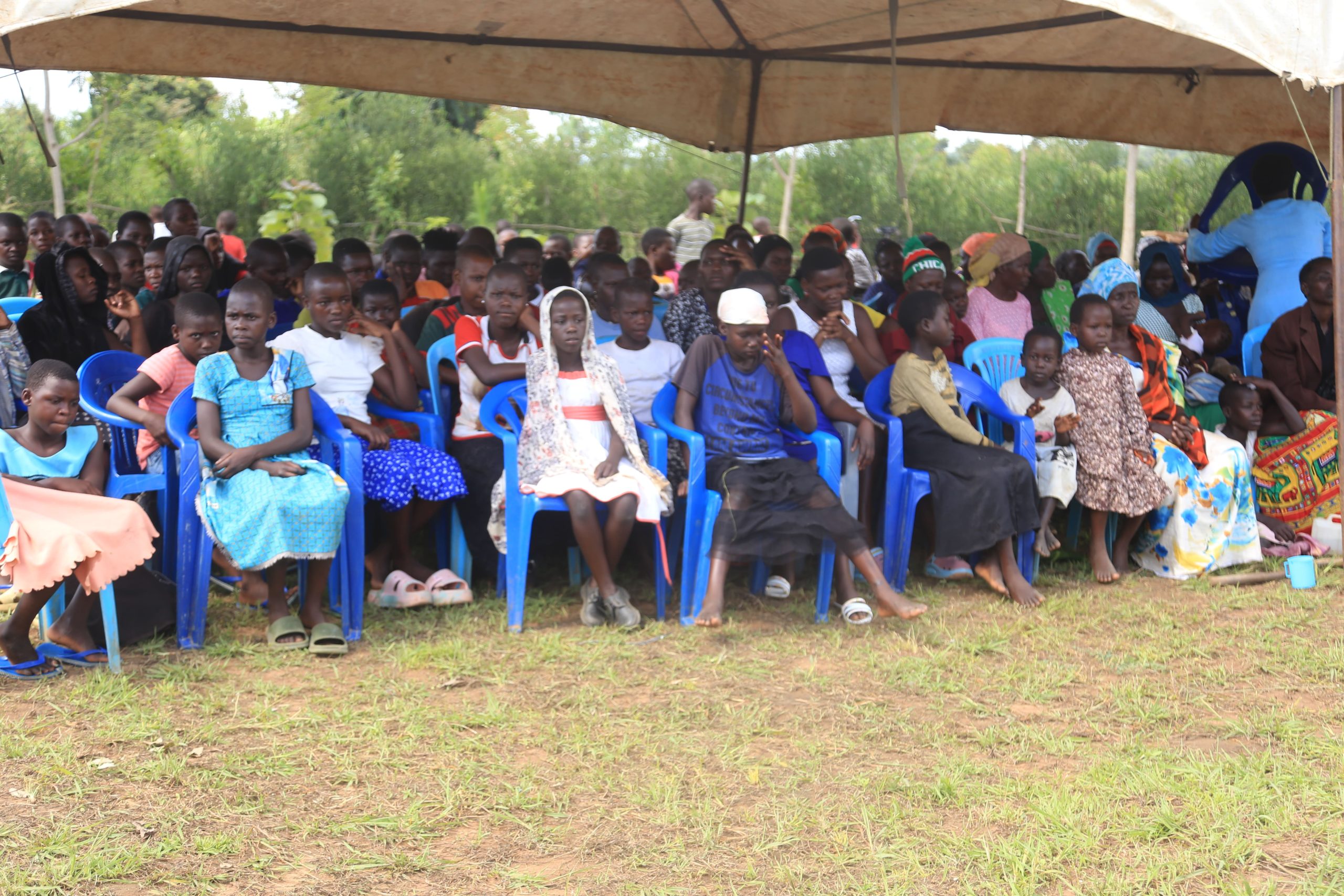

No child chooses the circumstances they are born into. A child born in a household struggling with poverty, instability, or neglect did not ask for that life. What they deserve what every child deserves is a community that refuses to look away.
That commitment sits at the heart of our Child Welfare and Protection Program.
The Reality Facing Children in Rural Uganda
In Namutumba District and communities like it across rural Uganda, children face a specific and serious set of risks. Poverty forces early school dropout. Families under economic pressure sometimes make choices that put children’s wellbeing at risk. In some cases, children take on adult responsibilities domestic work, farm labour before they are old enough to carry that weight.
Child marriage, though declining nationally, remains a reality in some communities. Child labour, often invisible because it happens within families and on farmland, keeps children out of school and stunts their development. Orphaned and vulnerable children sometimes fall through the cracks of an already stretched social support system.
These are not abstract statistics. They are the children our community health workers and outreach teams encounter directly.
Our Approach: Community-Led, Family-Centred
There is no external organization that can truly protect a child from the inside of a community. Protection has to come from within from parents who are equipped and supported, from community leaders who take child welfare seriously, from neighbors who know the signs of a child in distress and know what to do.
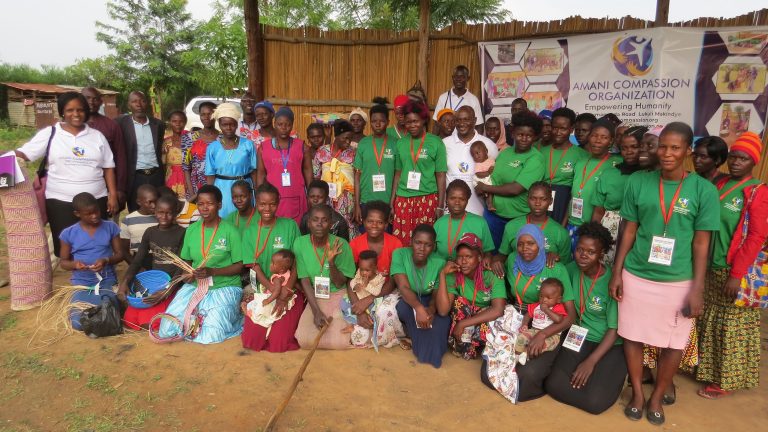
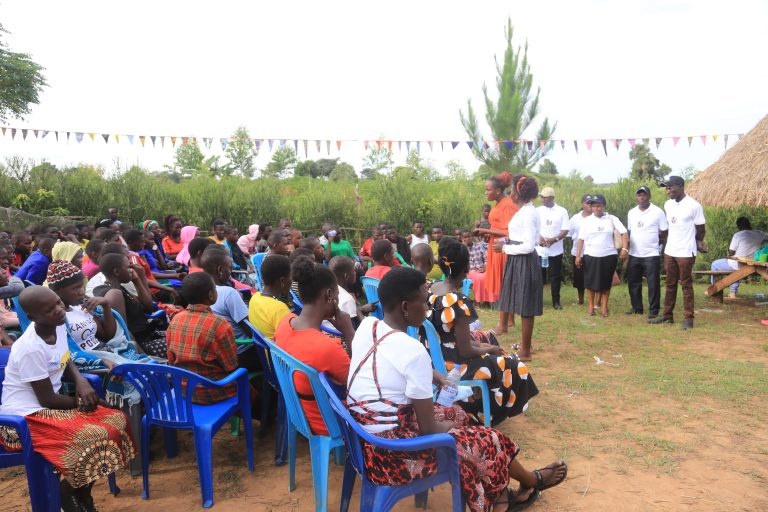
Our Child Welfare and Protection Program is built on this principle. We work with families, community leaders, local councils, and other stakeholders to create the conditions in which children are safer not because an NGO is watching, but because the community itself has internalized the responsibility.
Family Support and Parenting Many parents genuinely want to do better for their children but lack information, resources, or support. We work with families to improve their capacity to provide safe, nurturing environments addressing both practical needs and parenting practices.
Community Awareness and Advocacy We run awareness activities that address child rights, the dangers of child marriage and child labour, and the importance of keeping children in school. These conversations happen in community meetings, at churches, through local leaders, and in households. Changing norms takes time and consistent engagement that is what we are committed to.
Identification and Response When children are at risk or have experienced harm, they need someone to respond. Our program supports the identification of vulnerable children and connects them and their families with appropriate services whether that means school re-enrollment support, referral to social services, or direct community assistance.
Education as Protection
A child in school is a child who is safer. Education provides structure, supervision, social connections, and a path toward future economic independence. When a child drops out, those protections disappear.
A significant part of our child welfare work focuses on keeping children enrolled and engaged in school addressing the underlying reasons for dropout, which are often economic, and working with families to see education as a long-term investment rather than an immediate cost.
What We Are Building Toward
Our vision is communities where every child is known, every child is valued, and every child has someone who will speak up for them. That is not a distant aspiration it is a practical goal we pursue with every family visit, every community dialogue, every child we help access the services they need.
We are not the only piece of this puzzle. Local councils, schools, health workers, churches, and families all play a role. Our job is to connect those pieces and make sure no child falls through the gap between them.
Be Part of This Work
Child protection is everyone’s responsibility. If you work in child welfare, social services, education, or community development, we would welcome a conversation about how we might collaborate.
Contact us at info@amanicompassion.org or learn more at amanicompassion.org.
Hi, this is a comment.
To get started with moderating, editing, and deleting comments, please visit the Comments screen in the dashboard.
Commenter avatars come from Gravatar.