
Uganda has one of the youngest populations in the world. More than 75% of Ugandans are under 30. That statistic is either a massive opportunity or a looming crisis — and which one it becomes depends almost entirely on whether young people have access to productive skills and economic pathways.
In Namutumba District, most young people who want to work face a simple, brutal obstacle: they have no marketable skill that employers or customers will pay for. School ended early for many. Formal employment is scarce. And without a skill, the default is either low-wage casual labour or economic inactivity.
Our Vocational Skills Development Program exists to change that equation.
Skills That Match What the Local Economy Actually Needs
One of the most common failures of skills training programs is that they teach what is convenient to teach, not what the market actually demands. You end up with graduates who have certificates but no clients.
We take a different approach. Before designing our training tracks, we look at the local economic landscape — what trades are in demand, what gaps exist, what people are already willing to pay for in the community. Our training is shaped by that reality, not by a generic curriculum imported from elsewhere.
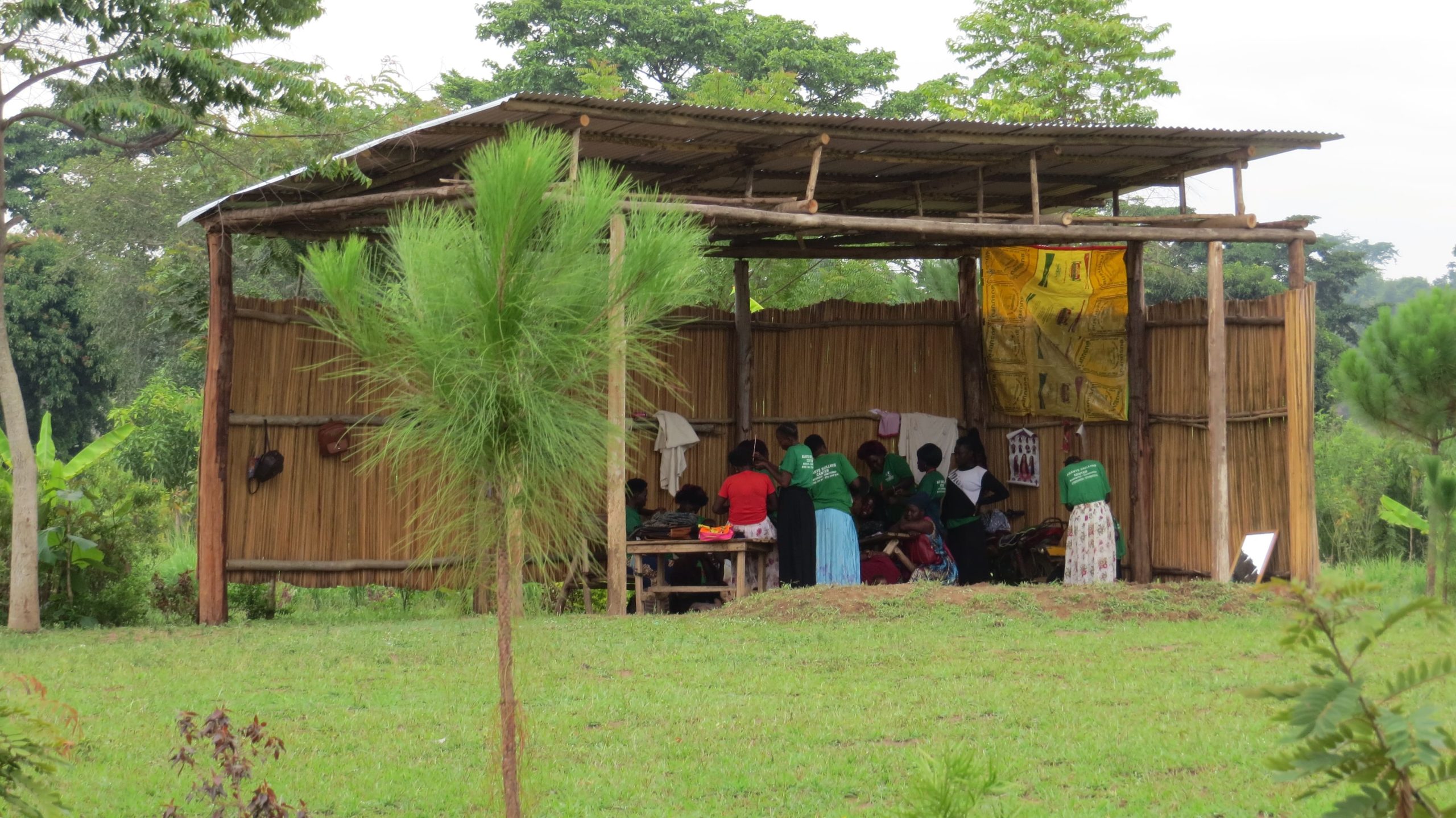
Participants receive hands-on training in trades and income-generating activities that have proven local demand. They do not just sit in classrooms — they practice, they build, they create, and they gradually develop the confidence that comes only from actually doing the work.
Mentorship: The Missing Piece Most Programs Skip
Technical skills get you started. Mentorship helps you survive the difficult early months when income is inconsistent and discouragement is easy.
Every participant in our Vocational Skills Development Program is connected with mentors who have walked the same path — local tradespeople and small business owners who understand the specific challenges of building a livelihood in this community. This is not formal coaching in the corporate sense. It is practical, human, peer-based guidance from people who have figured things out and are willing to share what they know.
The difference it makes is tangible. Participants who have mentorship support are more likely to start their own ventures, more resilient when things go wrong, and more likely to still be active in their trade one year after training.
What Participants Walk Away With
By the end of the program, participants have more than a skill. They have:
- Practical, practised competence in their chosen trade — not just theoretical knowledge
- Basic business understanding — how to price services, manage simple accounts, and deal with customers professionally
- A professional network — connections to mentors, peers, and potential referral sources
- Confidence — perhaps the most underrated outcome, and the one that makes all the others usable
For many participants, this is the first time they have experienced structured investment in their potential. That changes how they see themselves — and what they believe they can build.
Addressing Youth Unemployment at the Root
Uganda’s youth unemployment challenge is real and urgent. But it is not solved by sympathy — it is solved by practical intervention at the community level, repeated consistently, at scale.
That is what we are building. Not a one-off training event. A sustained program that continuously prepares people for economic participation, tracks outcomes, learns from what works, and deepens its reach into the communities that need it most.
Every graduate who earns an income, starts a business, or trains a neighbor is a node in a growing network of economic activity. That is how communities change — not through a single breakthrough, but through the accumulation of many individual ones.
The Road Ahead
We are currently expanding the number of trades we offer, strengthening our mentorship network, and developing partnerships with local businesses that can absorb graduates or refer clients to them. We are also building our monitoring systems to better track participant outcomes beyond the training period.
There is significant demand. More young people apply than we can currently serve. Closing that gap requires more resources, more partnerships, and more visibility for the work.
If you want to partner with us or support this program, reach us at info@amanicompassion.org or visit amanicompassion.org.